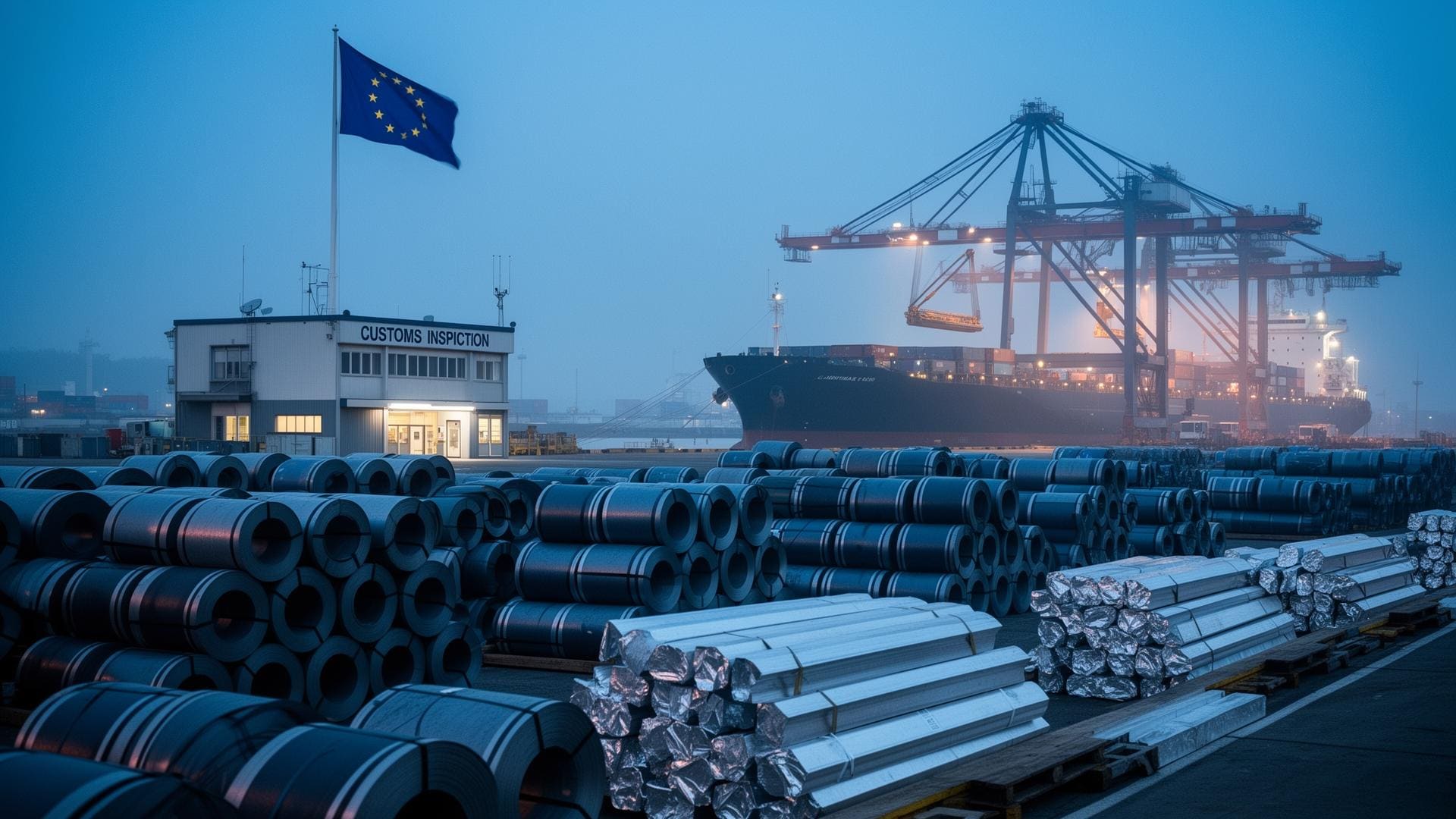
CBAM / EU Policy
No Easy Exit: What Parliament’s CBAM Vote Means for Cost and Supply Chains
The emergency brake was removed from Parliament’s position while downstream scope widened. The direction is clear, but the final law is not settled.
By Dr. Elvis Mujagić · September 17, 2026 · 8 min read
On 15 September, the European Parliament set out a harder CBAM position: remove the proposed emergency brake and extend the mechanism further into finished steel and aluminium goods. This is not yet the final law. It is, however, a strong signal about where political tolerance for exemptions and escape routes is heading.
The vote matters because companies are making contracts, sourcing decisions and investment plans before the Parliament and Council finish negotiations. Waiting for perfect legal certainty may feel prudent. In practice, it can leave the operational work until the commercial consequences have already arrived.
What Parliament voted for
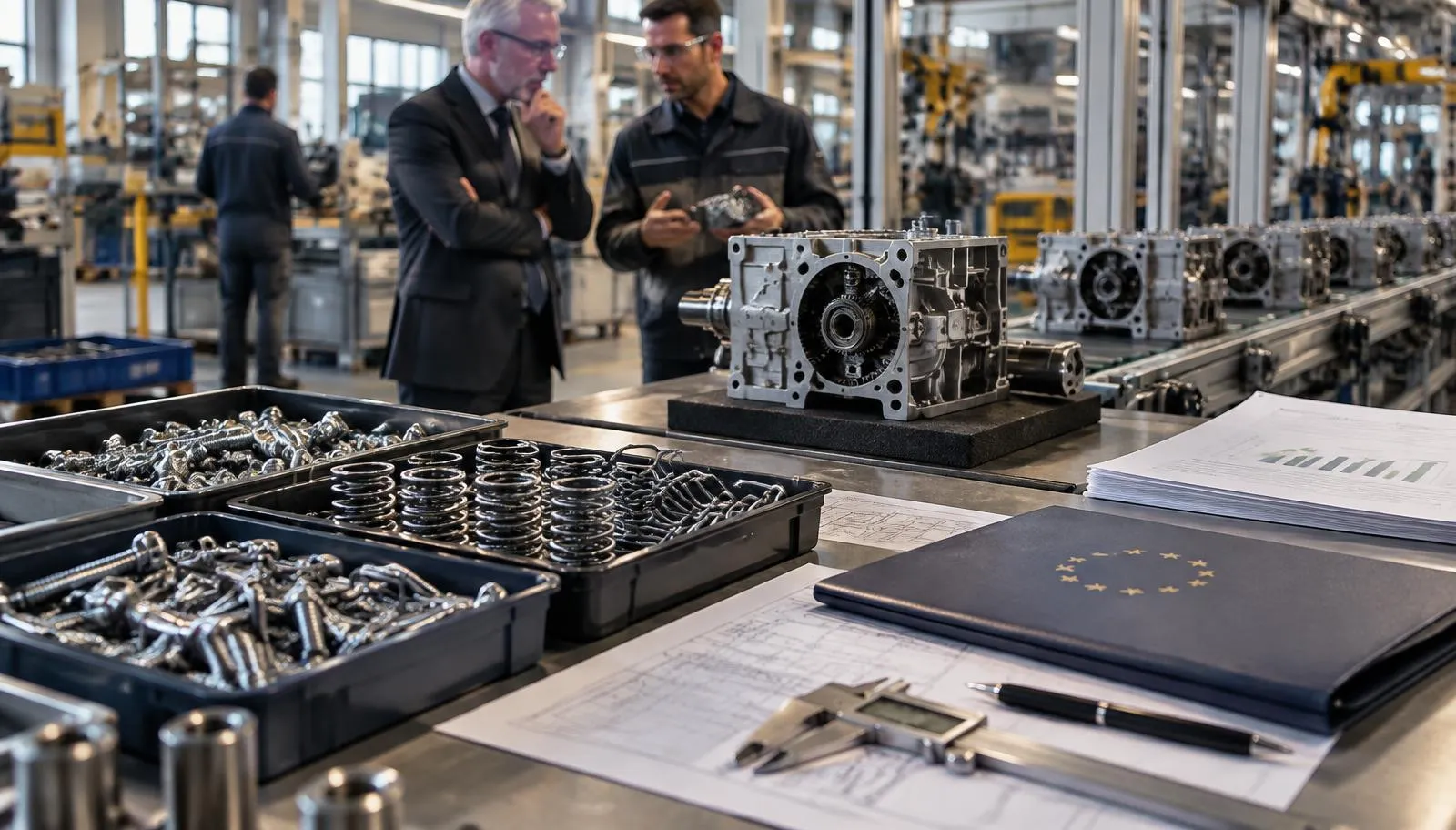
Parliament adopted its negotiating position on a broader CBAM scope for downstream steel and aluminium products. The list includes industrial and consumer goods with significant steel or aluminium content, such as fasteners, wire, springs and certain machinery and household products.
At the same time, Parliament deleted the proposed Article 27a emergency procedure. That provision would have allowed the Commission to temporarily suspend CBAM for specific goods in serious and unforeseen circumstances, including exceptional price pressure.
The vote does not complete the legislation. It does remove any sensible basis for assuming that a broad safety valve will be available when carbon costs become uncomfortable.
A negotiating position is not final law
The Council supports a narrower downstream list and has backed a suspension mechanism. Parliament has taken the tougher position. Those differences now move into negotiations between the institutions.
Companies should therefore separate two questions. What is legally final today? And what direction is strong enough to shape a prudent business decision? The first answer is narrow. The second is already useful: CBAM is moving deeper into supply chains, and political pressure is focused on closing loopholes rather than creating broad relief.
Why the emergency-brake debate matters commercially
- 1.
Price-shock exposure
If no broad suspension mechanism survives, importers and buyers have less reason to expect temporary relief when carbon prices or input costs rise sharply.
- 2.
Contract design
Long-term contracts need a clear answer on who carries CBAM cost changes, who must provide emissions evidence and what happens when the legal scope changes.
- 3.
Supplier selection
A low purchase price can become expensive when embedded emissions are high, data is weak or a finished product enters the expanded scope.
- 4.
Working capital
CBAM certificates and related controls create cash and planning demands. Finance teams need scenarios, not a single annual estimate.
- 5.
Investment timing
Suppliers that can document lower emissions or reduce carbon intensity may gain a cost advantage as CBAM coverage and financial exposure grow.
The downstream expansion changes who must pay attention
Many manufacturers that considered CBAM a raw-material issue may now be closer to the boundary. A company importing assembled metal products, specialised equipment or components must check the evolving CN-code lists rather than rely on a broad sector label.
Non-EU manufacturers face the same shift from the other side. Their EU customer may soon ask not only for price and delivery terms, but also for the emissions evidence behind a finished product and its material inputs.
What management should do before the final text arrives
- Map imported and exported products to CN codes and flag goods that may enter an expanded downstream scope.
- Model a base case, a higher-carbon-price case and a wider-scope case for 2027 to 2029.
- Put CBAM data, verification and cost-allocation clauses into supplier and customer contracts.
- Identify which suppliers can provide traceable installation-level emissions data and which still rely on assumptions.
- Give one executive owner responsibility across customs, procurement, sustainability and finance.
This is not a call to treat a parliamentary position as settled law. It is a call to stop treating regulatory uncertainty as permission to do nothing.
The strongest response to uncertain CBAM rules is not prediction. It is an operating model that can absorb a wider scope, a higher cost and stricter evidence without starting from zero.
The question for the next management meeting
Ask one direct question: if our product enters the next scope extension and no emergency relief is available, do we know the data, the contract owner, the expected cost and the supplier alternatives? If the answer is no, that is the work to start now.
Assess your CBAM financial exposure
Our CBAM Manufacturer Financial Impact Assessment connects product scope, embedded emissions, certificate costs and the phase-in schedule so management can see the exposure before it reaches the margin.
Start the CBAM assessment
Dr. Elvis Mujagić
Dr. Elvis Mujagić is Partner and Head of CBAM at wis.dom|bridge™. He advises companies on CBAM cost exposure, implementation and the link between carbon data, sourcing and financial planning.