CBAM / Climate Action / Türkiye
COP31 in Antalya: Turning Climate Ambition Into Credible Carbon Evidence
Seda Atabek’s reflections after three days of discussions on carbon removals, industrial decarbonization and CBAM, and what manufacturers can take into their next customer conversation.
By Fikriye Seda Atabek · November 12, 2026 · 7 min read
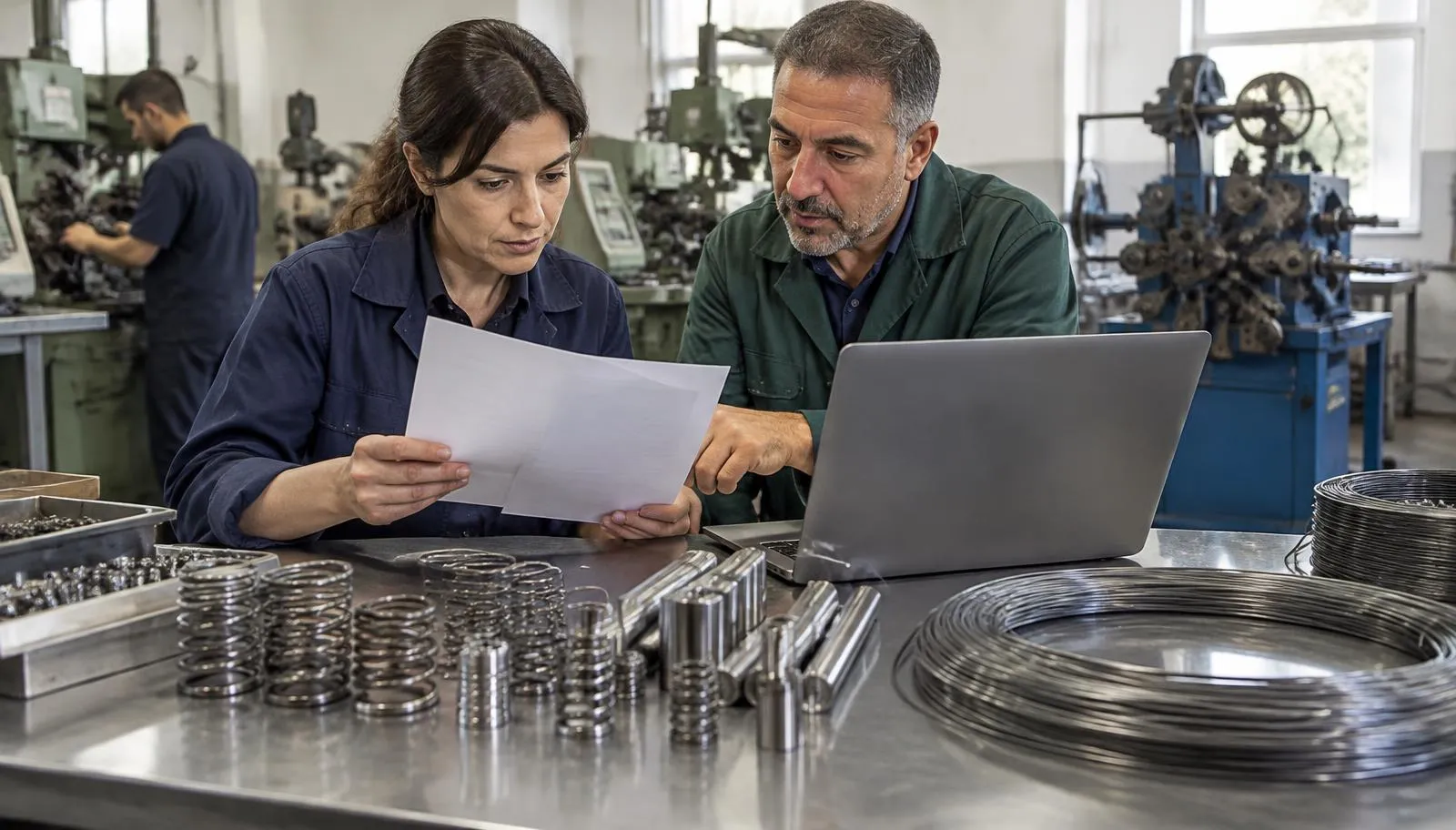
A climate conference brings together people who often work on different parts of the same problem. Policymakers discuss ambition. Manufacturers decide which equipment they can afford to replace. Importers need defensible emissions figures. Verifiers examine whether the evidence supports those figures. Progress depends on connecting these conversations, not treating them as separate worlds.
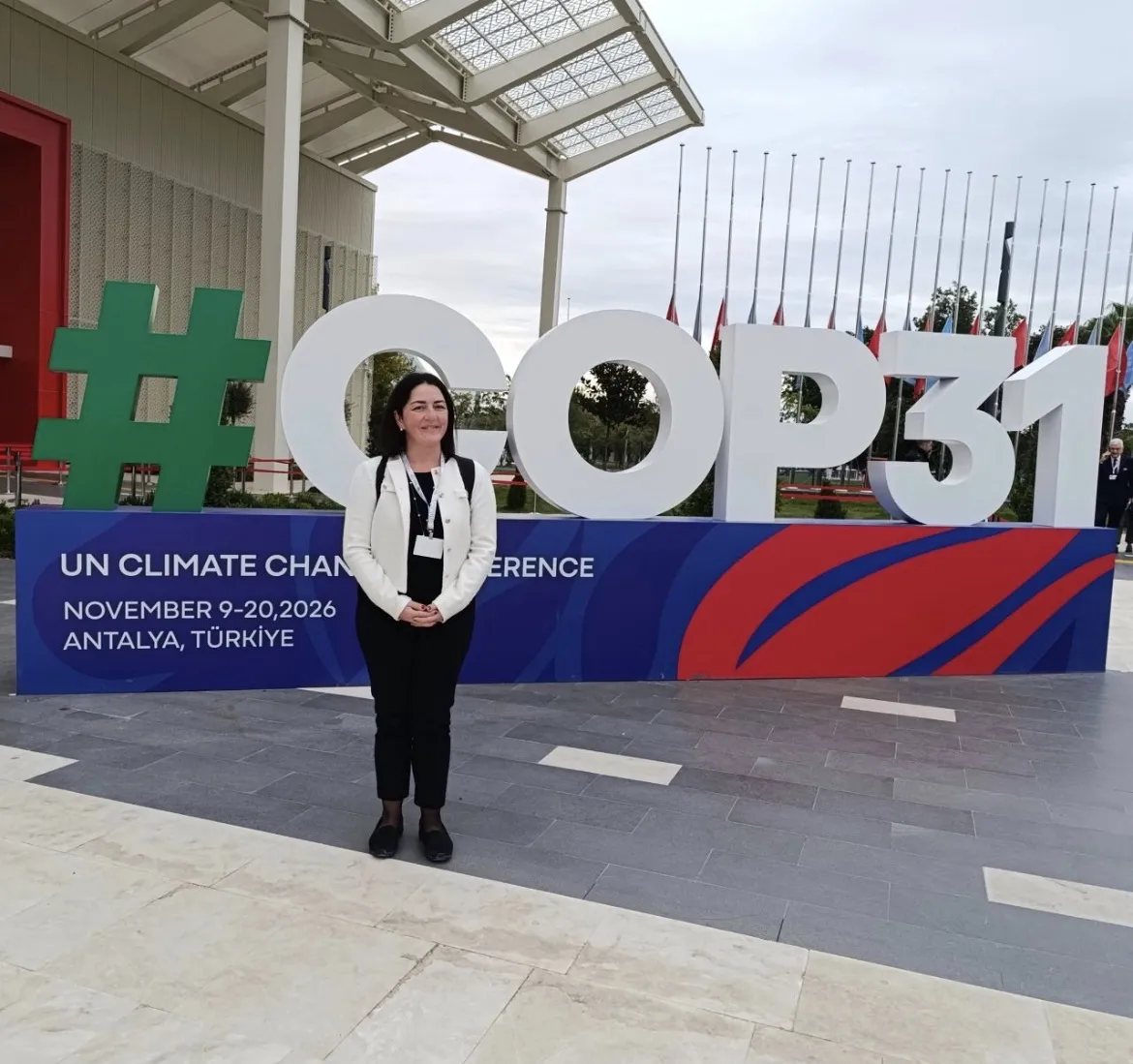
That connection runs through Fikriye Seda Atabek’s LinkedIn reflections after three days at COP31 in Antalya. She describes discussions on carbon removals, industrial decarbonization and CBAM, exchanges with colleagues in the verification community, and the value of reconnecting with people who have shared her professional goals for years.
UN Climate Change confirms that COP31 runs from 9 to 20 November 2026 at the Antalya EXPO Center in Türkiye. The conference is still underway as this article is published. These are reflections on Seda’s attendance and their practical relevance for businesses, not a report on final negotiated outcomes or an account of specific sessions she did not identify.
The discussion has to reach the factory floor
For a manufacturer, industrial decarbonization is not simply a target on a presentation slide. It means understanding where emissions arise, which changes are technically possible, what they cost and how they affect production. A new energy source, a different input material or a process upgrade has to work in the business before it can become a credible claim to a customer.
The commercial question is equally concrete: can the company demonstrate the effect on the relevant products? A general company footprint and the embedded emissions of a particular CBAM good answer different questions. A customer buying covered goods needs information relevant to those goods and the applicable calculation method, not only a statement that the supplier is becoming more sustainable.
This is where the conference themes meet daily work. Decarbonization decisions need an evidence plan alongside the investment plan. Establish a reliable starting point, identify the production and input records needed, and decide who will maintain them. Otherwise, a real improvement can become difficult to demonstrate when the customer asks for supporting data.
Carbon removals, lower emissions and CBAM are not the same question
Seda’s post brings carbon removals, industrial decarbonization and CBAM into the same discussion. They belong in a wider climate conversation, but businesses should not treat them as interchangeable answers to an importer’s obligations.
The European Commission explains that CBAM concerns emissions embedded in specified imported goods. It also describes a deduction where the importer can prove that a carbon price was already paid during production, subject to the applicable rules. That is a specific mechanism, not a general invitation to subtract any climate-related expenditure from a CBAM calculation.
A manufacturer should therefore keep separate records for production-emissions improvements, any carbon price actually paid and other climate activities. Do not promise a buyer that a removal purchase, an offset or a broad carbon-neutrality claim automatically reduces CBAM liability. Start with the relevant rule and evidence, then assess whether a particular activity has any recognized effect.
A sustainability claim and a verified product-emissions figure are not substitutes for one another.
Verification is a discipline, not a final stamp
Seda says she is in the process of obtaining authorization as a CBAM verifier. Her post does not say that authorization has been completed. That distinction matters: professional interest, training and experience should never be presented as evidence of a formal status that has not been confirmed.
The European Commission’s verification guidance states that CBAM declarations may use actual verified emissions or default values. Where actual emissions are used, verification must be carried out by independent verifiers accredited by EU national accreditation bodies. The Commission identifies technical competence, independence, impartiality and consistent verification approaches as requirements.
For the manufacturer, the lesson is not to wait until the end of the year and ask someone to approve a spreadsheet. Build records that allow a reviewer to follow the calculation: the relevant installation, production quantities, energy and material inputs, emission factors and the treatment of precursor materials where required. Document assumptions and corrections instead of allowing them to disappear into successive spreadsheet versions.
Preparation and independent verification also have different roles. A team can help organize records and identify gaps, but that work does not replace the independent verifier’s assessment or guarantee acceptance of the figures. Confirm the verifier’s accreditation and relevant scope before relying on a report.
What this looks like in a supplier conversation
Consider an illustrative manufacturer that supplies covered steel goods to an EU customer. The company has improved its production process and wants that progress recognized in the next commercial discussion. Its sales team has a sustainability brochure. Its production team has output records. Finance holds the energy invoices. Procurement has information about purchased inputs.
The immediate task is not another brochure. It is connecting the underlying records to the relevant goods, checking the calculation against the CBAM method and arranging suitable independent verification if actual values will be used. Only then can the importer assess the supported figures rather than relying on a general promise.
The resulting cost effect must be calculated for the actual goods and circumstances. Lower reported emissions may matter commercially, but this example does not establish a saving, a customer outcome or a fixed return on investment. It shows the work needed before such a claim can be made.
Constructive dialogue is part of implementation
Seda closes her post with a hope that COP31 strengthens empathy, mutual understanding and constructive dialogue between developed and developing countries. That is not an aside to the technical work. A shared requirement does not mean every producer has the same access to finance, measurement systems, specialist staff or verification capacity.
An EU buyer can improve the conversation by explaining exactly which information is needed and why. A supplier can respond honestly about available records, missing evidence and the work required. Neither side benefits from an impossible deadline followed by unsupported numbers. A clear request, an accountable contact and agreed next steps create a better basis for cooperation.
The professional relationships Seda describes matter for the same reason. Exchanges between practitioners can help clarify difficult questions and share experience. They do not replace official requirements, but they can help businesses understand how to put those requirements into practice without losing sight of the people doing the work.
Five questions to take back to the business
- 1.
Which products and customers are affected?
Check the goods and applicable commodity codes before treating every export as a CBAM case. Identify the EU customers who need information from your installation.
- 2.
Can we explain our emissions figures?
Trace the relevant production, energy and input records to their sources. Identify missing records, inconsistent units and assumptions that need review.
- 3.
Can we prove the effect of planned improvements?
Agree the baseline and measurement approach before making investment or sales claims. Separate expected results from changes already supported by evidence.
- 4.
Have we separated preparation from verification?
Assign responsibility for the data pack, then confirm the independent verifier’s accreditation and appropriate scope. Do not describe a pending authorization as completed.
- 5.
Is the customer conversation workable?
Agree what evidence is required, who will provide it and when. Make gaps visible early, rather than relying on a last-minute request for a number.
The useful takeaway from Seda’s reflections is not that a conference settles a manufacturer’s obligations. It is that climate ambition, technical evidence and constructive cooperation have to move together. For a business, progress becomes credible when the people responsible for production, reporting and purchasing can follow the same facts.
Start with your manufacturer’s readiness
The Manufacturer Readiness Assessment offers a starting point for reviewing your organization and emissions-data preparedness. The questionnaire and results overview are free. The full report and expert review are paid and quoted separately. Preparation does not replace independent verification or establish a guaranteed reduction in CBAM liability.
Start the Manufacturer Readiness AssessmentSources and editorial references
- Fikriye Seda Atabek, LinkedIn post beginning “Three inspiring days at COP31 in Antalya!”, English and Turkish screenshots supplied for this article. Exact post publication date not visible in the supplied screenshots. Conference photograph supplied separately.
- UN Climate Change, “Information for COP 31 participants (A-Z)”, conference dates and venue. Page publication date not stated; accessed November 12, 2026. https://unfccc.int/cop31/ifp
- European Commission, “Verification of CBAM emissions”, independent verification and accreditation requirements. Page includes a state-of-play resource dated November 9, 2026; accessed November 12, 2026. https://taxation-customs.ec.europa.eu/carbon-border-adjustment-mechanism/cbam-verification_en
- European Commission, “CBAM definitive regime”, definitive phase from January 1, 2026, embedded emissions and carbon price already paid during production. Page publication date not stated; accessed November 12, 2026. https://taxation-customs.ec.europa.eu/carbon-border-adjustment-mechanism/cbam-definitive-regime_en
Check the official verification requirements
Use the European Commission’s current guidance to check the role of accredited independent verifiers and the applicable accreditation framework.
Read the Commission’s verification guidanceThis article develops Seda’s supplied reflections with our own business analysis and separately attributed official context. Practical examples and recommendations are editorial analysis, not additional statements attributed to her LinkedIn post. No final COP31 outcome, completed personal verifier authorization or measured client result is claimed. Third-party rights remain with their respective owners. This is not individual legal advice; check the current rules for your goods and circumstances before acting.

Fikriye Seda Atabek
Fikriye Seda Atabek is Partner and Country Manager for Türkiye at wis.dom|bridge™. She works with manufacturers and exporters on carbon accounting, verification readiness and practical CBAM implementation. In the LinkedIn post informing this article, she describes her CBAM verifier authorization as a process still underway.